Inside the busy children’s ward at Madang’s Modilon General Hospital, every single minute counts when caring for critically ill infants and children.
For years, the doctors and nurses walking these halls have carried the heavy weight of serving a rapidly growing population without enough specialized medical gear. This long-standing strain made the recent arrival of specialized paediatric equipment a deeply emotional turning point for the frontline team.
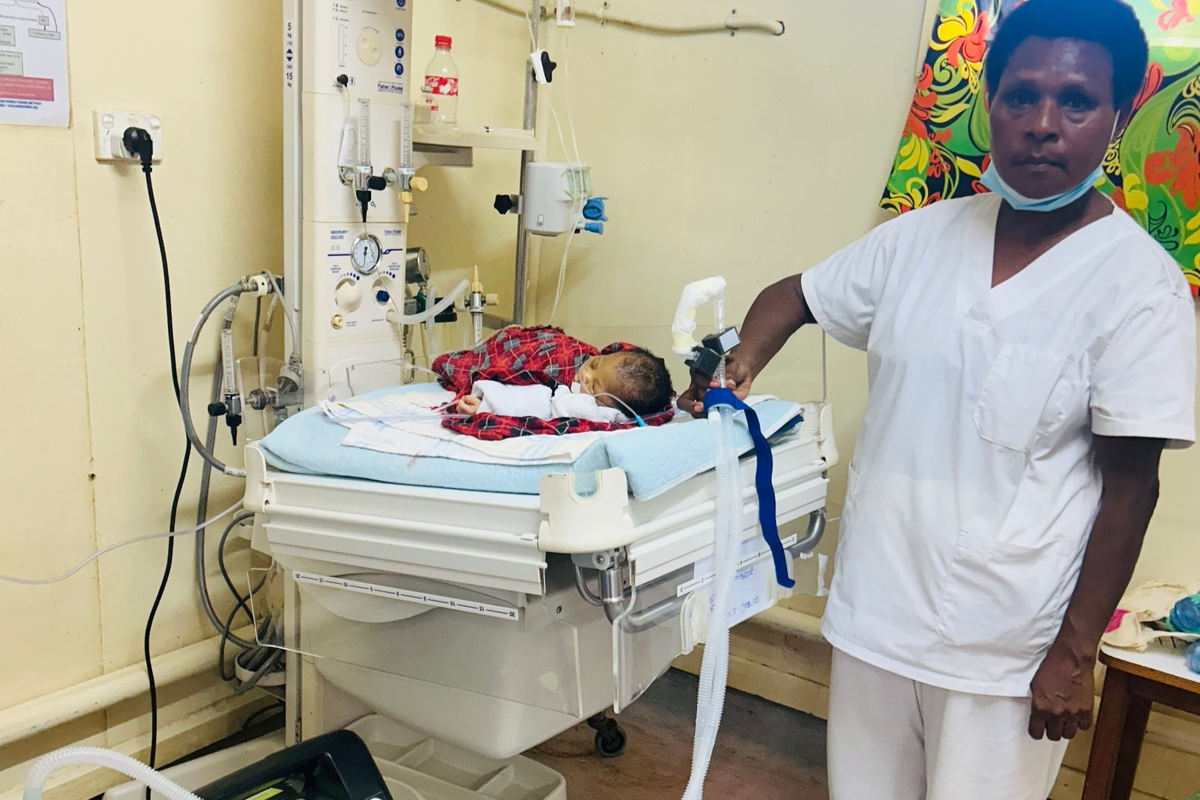
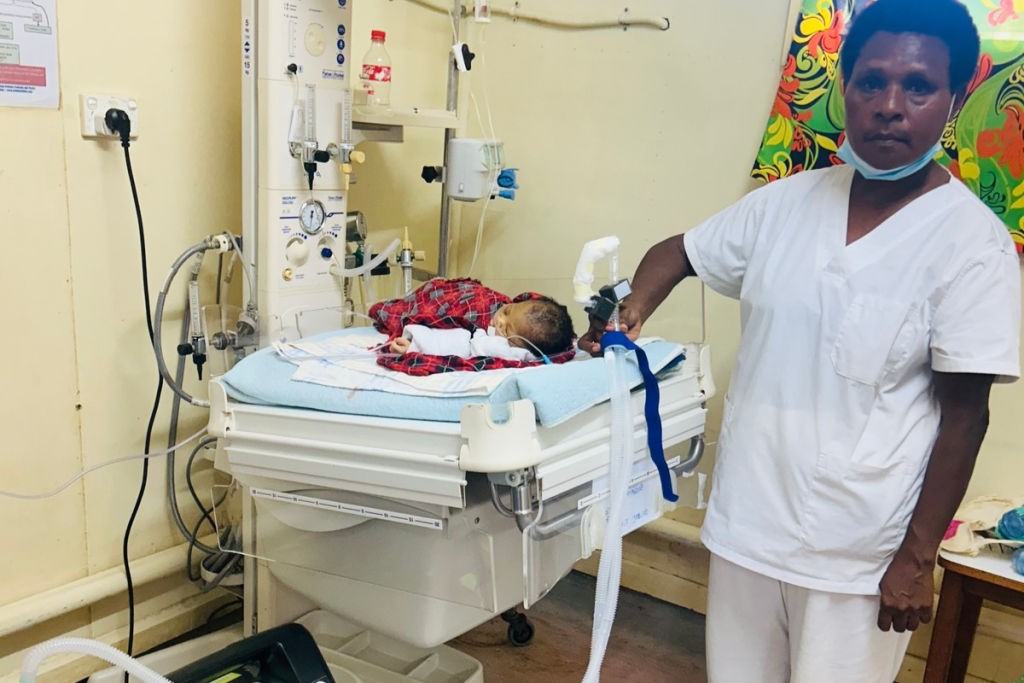
When a critically ill newborn arrived in severe respiratory distress, waiting for a formal handover ceremony was not an option. Recognizing the immediate need, Paediatric Specialist Dr. Aipit unpacked a brand-new Bubble CPAP machine straight away to give the fragile infant a fighting chance. The urgent intervention highlighted just how desperately the dedicated medical team needed these tools on the ground.
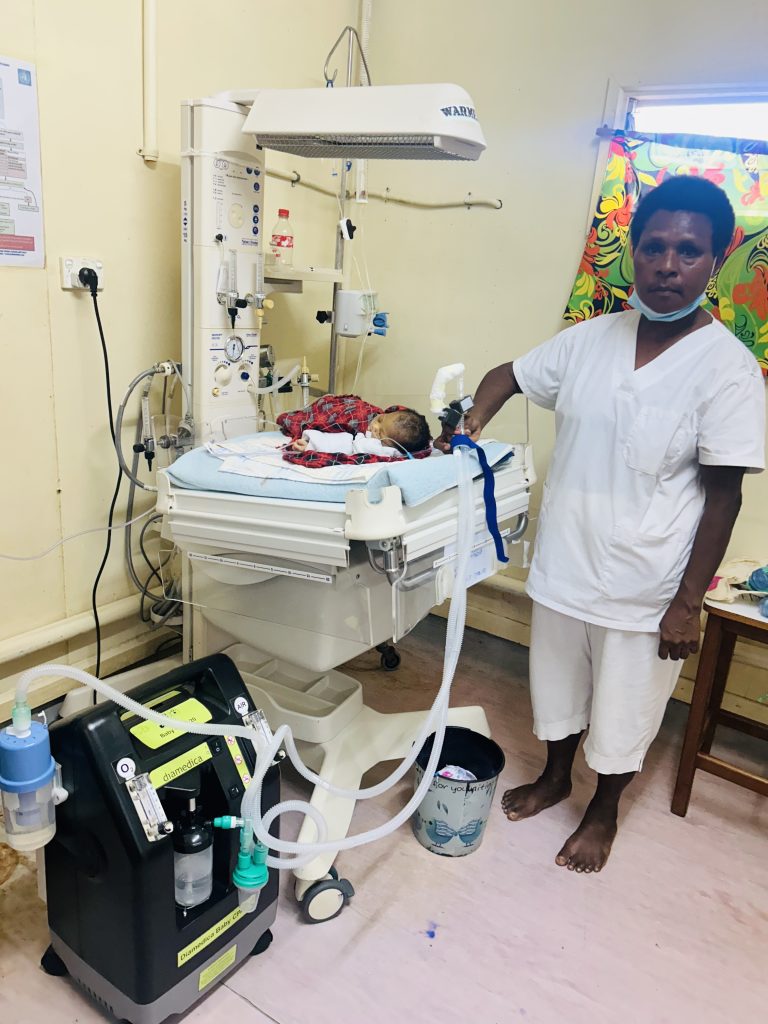
“Even before PNGCORE Executive Director Mr. Kassman came to present the equipment, I opened the Bubble CPAP machine and used it on one of our patients already,” Dr. Aipit shared.
A Daily Battle Against Critical Odds
Every year, Dr. Aipit’s team cares for 120 to 130 premature and very low-birth-weight babies, infants born weighing under 1.5 kilograms whose lungs and vital organs are still developing.
“Of the newborns that die, one of the most common contributing factors is babies born premature and with very low birth weights. In our setting, it is very difficult to look after them because we do not have the necessary equipment,” said Dr. Aipit.
With newborns accounting for roughly half of all child deaths in Papua New Guinea, the nurses and doctors at Modilon often found themselves fighting to keep these tiny patients stable using sheer skill, improvisation, and determination when specialized bedside tools were out of reach.
“We felt most of the time stressed and down,” Dr. Aipit recalled of the emotional toll of working without specialized equipment. “When they are very sick and we cannot do much without this, that’s when you feel like you don’t have the support. But we cannot run away from our responsibility. So we stuck with it and made do with the limited resources that we have.”
For the nurses monitoring high-dependency beds around the clock and the doctors making split-second decisions, caring for critically ill children without the necessary machines was a quiet, daily heartbreak, yet they never walked away from their post.
To understand the full weight of what the staff endures, one must look at the broader realities of the hospital itself. Built over 60 years ago to serve fewer than 200,000 people, this provincial referral hospital now cares for thousands of patients from across Madang’s remote inland communities and offshore islands, as well as transient families and referrals from neighboring East Sepik, Morobe, and the Highlands provinces.
For more than 12 years, Dr. Aipit has dedicated his entire career here, standing shoulder to shoulder with nurses who work tirelessly in cramped spaces to treat the young patients who make these long journeys.
“The same facility, the same building is now looking after almost a million people, and there is no space at all,” Dr. Aipit explained. “In terms of equipment and infrastructure, there has been little or no development in recent years. We are really struggling to look after the population here.”
Inside the child health division, this close-knit team manages both outpatient services and demanding inpatient units, including a Neonatal Special Care Nursery and a general children’s ward divided into high-dependency care, recovery and rehabilitation, and tuberculosis and infectious disease sections. Meanwhile, only a few critical pieces of the newly arrived equipment have been put to immediate use for urgent cases, while the remaining items are still on their way.
A Lifeline Before the Ribbon Was Even Cut
That long-standing struggle finally received a major boost following a fundraising initiative led by the Papua New Guinea Chamber of Resources and Energy (PNGCORE) and its corporate partners. Working directly alongside Dr. Aipit and medical suppliers such as Pacific Medical Supplies, City Pharmacy Limited (CPL), and international vendors, the partners delivered a targeted package of paediatric equipment tailored specifically to relieve the pressure on the ward’s staff.
Among the most vital arrivals are the Bubble CPAP (Continuous Positive Airway Pressure) machine, which keeps the airways of premature babies open during respiratory failure, and the iFlow device, which stabilizes older children suffering from severe shortness of breath and low oxygen levels. Remarkably, the specialized respiratory unit received by Modilon is one of only four in the entire country, placing the provincial hospital alongside Port Moresby and just a select few facilities nationwide with access to this advanced technology.
“This machine will save little babies born with respiratory failure before reaching full term. It is critical for us and is going to save so many children. In our setting, there are about 120 to 130 babies born with low birth weights or complications requiring this machine, and without this equipment, we lose between 20 and 30 babies.”
“This machine is going to save so many children,” Dr. Aipit said. “There are so many children that have died in the past because we didn’t have this kind of equipment.”
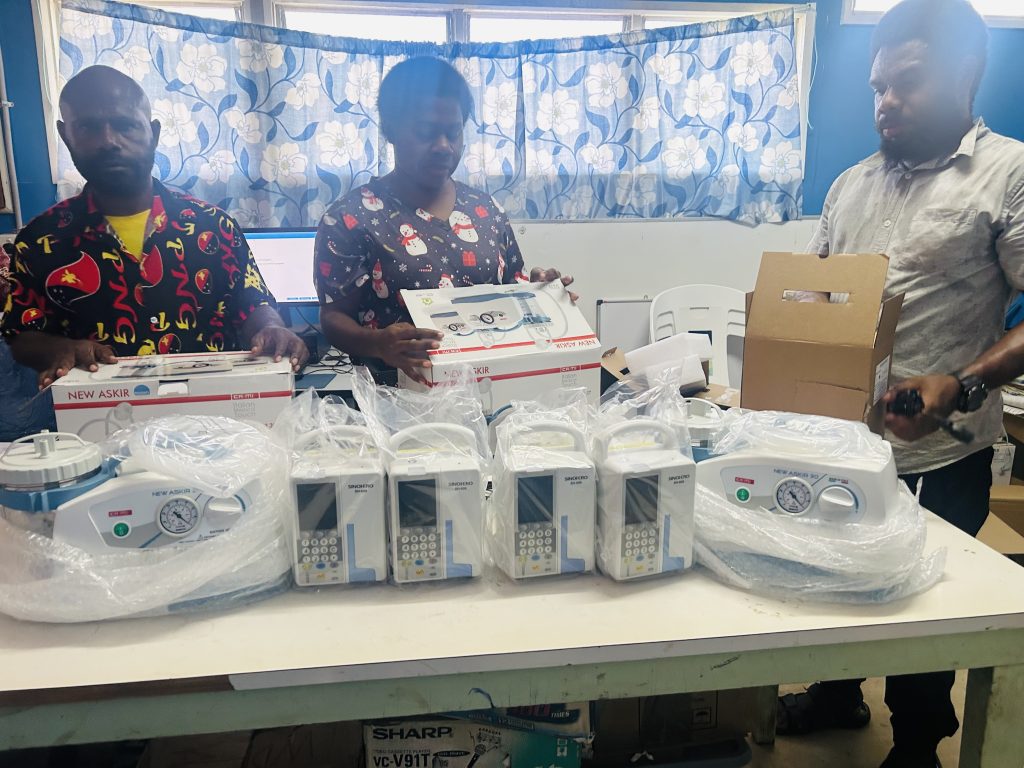
The support also includes patient monitors, giving overworked nurses an extra set of eyes to closely track high-dependency beds and suction machines to keep airways clear for critically ill children.
Direct Collaboration Maximizes Impact
For Dr. Aipit, working directly with the donors and medical supply teams ensured that every kina raised went straight toward durable, hospital-grade gear in the exact quantities needed to support local families and ease the burden on clinicians.
“When donors, suppliers, and clinicians consult directly with one another, the funding goes much further,” Dr. Aipit noted. “In the past, indirect procurement processes meant we didn’t always get the durability or the exact quantities our ward required. Collaborating straight with the funders and the approved medical vendors delivering this equipment is the most effective approach.”
While several deliveries are already transforming care in the ward, additional international shipments from partner suppliers are currently on their way to complete the upgrade.
Renewed Hope on the Frontlines
During the official handover presentation, the usual quiet intensity and exhaustion of the ward gave way to visible relief, smiles, and gratitude among the nurses and doctors.
“Everyone was smiling,” Dr. Aipit said. “Seeing equipment come directly to a clinical section rather than just the general hospital administration. It is the first time we have received medical supplies in a direct way like this. This is huge for us.”
Dr. Aipit extended his heartfelt appreciation to PNGCORE Executive Director Mr. Kassman, and every corporate contributors including the PNGCORE staff who worked persistently alongside him to finalize the equipment list and coordinate deliveries.
“I am greatly appreciative of your efforts,” he said. “We are so lucky to have this. Now that we have it, we are looking forward to saving lives right here, right now.”
PNGCORE’s Charity Golf Challenge Support
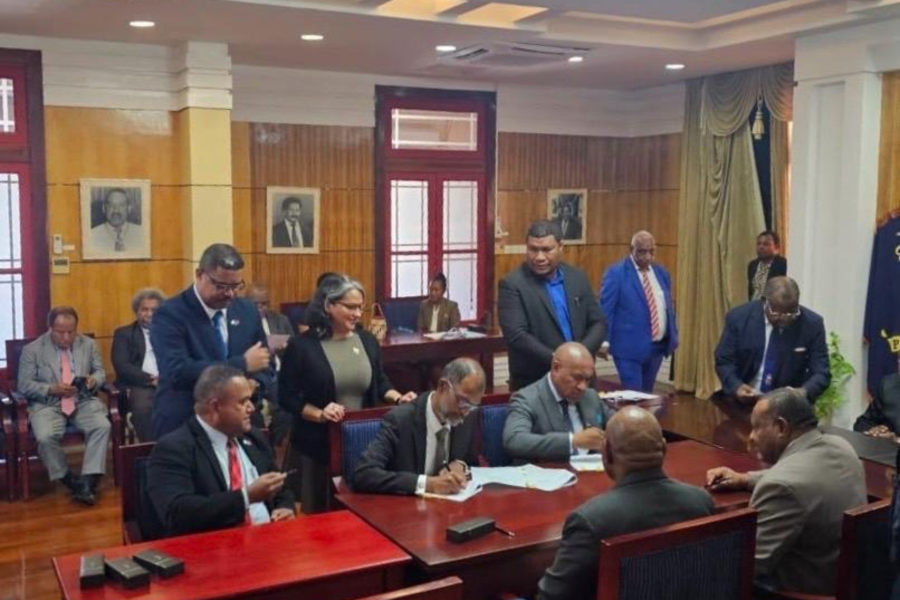
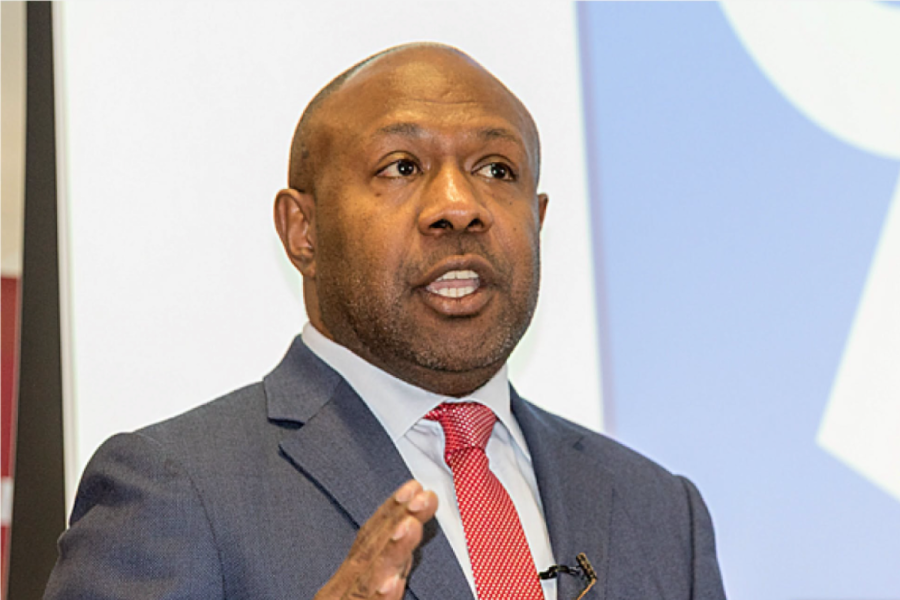
The November 10, 2026, equipment handover was made possible through approximately PGK 316,000 in net proceeds from the PNGCORE Charity Golf Challenge Program, backed by 33 corporate contributors including the top contributors like K92 Mining, Sun Engineering, McMonagle Qld, and Santos Limited. PNGCORE Executive Director Richard Kassman OBE commended the hospital staff at the event, acknowledging that dedicated healthcare workers are the true driving force behind saving young lives.
Modilon General Hospital CEO Dr. Martin Daimen also expressed gratitude, highlighting that the new equipment will immediately boost emergency response and clinical care across the province. Following upcoming tournaments, PNGCORE plans to extend similar assistance to a third provincial hospital in 2027.